The Unexpected Risk in Your Daily Routine
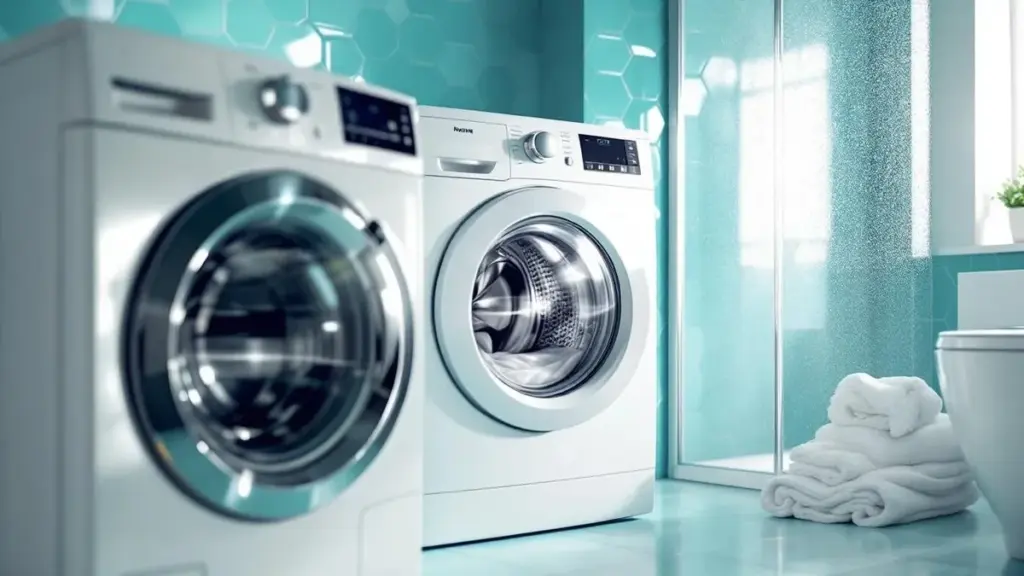
Most households face this scenario without a second thought: hopping into the shower while laundry cycles away in another room. Yet this seemingly innocent habit carries consequences that extend far beyond mere inconvenience.
The truth is, running both appliances simultaneously affects more than just your comfort. It impacts safety, efficiency, and even your monthly utility bills. With energy costs climbing steadily, understanding these hidden effects has never been more crucial.
What appears as a simple time-saving strategy might actually compromise your home’s water system and create unexpected hazards. The good news? A few strategic changes can transform how you manage these essential household tasks.
How Simultaneous Use Disrupts Your Water System
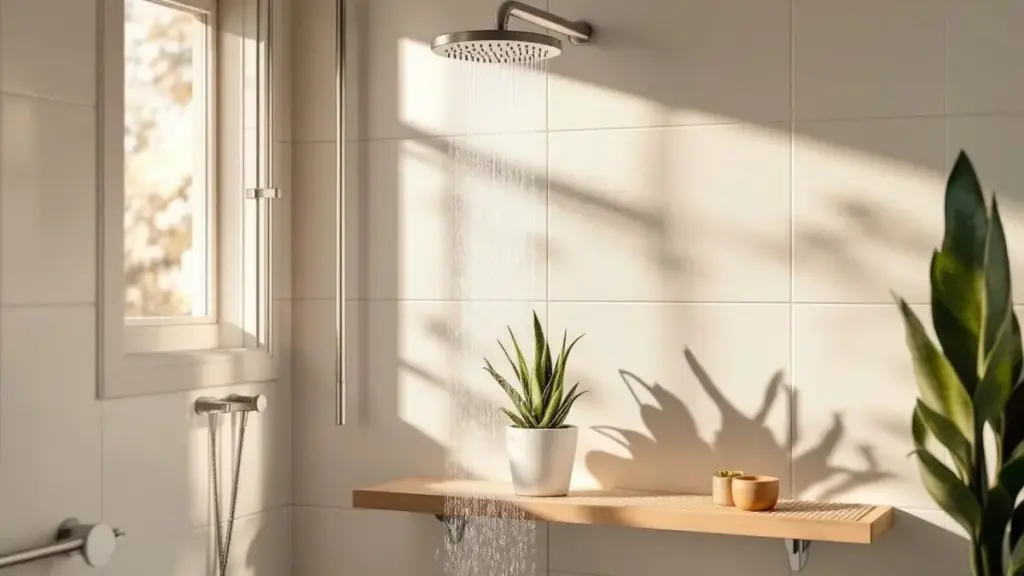
When your washing machine and shower compete for water, the immediate casualty is water pressure. Your home’s plumbing system has finite capacity, and dividing that resource between two demanding appliances rarely ends well.
The shower experience deteriorates noticeably when pressure drops. While newer homes with updated plumbing might mask this effect initially, older systems reveal the strain immediately. The once-vigorous spray weakens to an unsatisfying trickle.
Temperature Swings Nobody Warns You About
Beyond pressure issues, temperature fluctuations present another challenge. Washing machines drawing hot water can suddenly redirect thermal energy away from your shower, creating jarring temperature drops mid-rinse.
This becomes especially problematic during winter months when cold snaps are already testing your comfort levels. Older washing machine models amplify this risk significantly, making timing coordination essential rather than optional.
Smart Strategies for Better Water Distribution
Modern solutions exist that eliminate the guesswork from managing multiple water-dependent appliances. The key lies in understanding both technology and timing.
- Upgrade to water-efficient machines: Contemporary washing machines prioritize conservation, using substantially less water per cycle. Research consistently shows these models leave more capacity available for simultaneous household needs.
- Develop a usage schedule: Strategic planning prevents conflicts entirely. Running laundry during nighttime showers or when the house sits empty removes the competition for resources.
- Install high-pressure shower systems: These specialized fixtures maintain performance even when household water demand increases, ensuring consistent comfort regardless of washing machine operation.
Safety Considerations You Cannot Ignore
Electrical safety deserves serious attention when water and appliances intersect. Proper installation becomes non-negotiable in these scenarios.
Ensuring your washing machine sits in the appropriate safety zone with correctly installed pull-cord switches dramatically reduces electrical hazard risks. Regular professional inspections aren’t luxuries—they’re essential safeguards protecting your household.
Energy Consciousness in Practice
Combining shower time with laundry cycles fits naturally into busy modern schedules. However, awareness of the trade-offs separates smart household management from potential problems.
The ultimate goal remains straightforward: enjoying a satisfying shower experience without compromising appliance performance or inflating energy expenses. Achieving this balance requires intentional choices about timing, equipment, and maintenance.
Small adjustments in daily routines often yield surprisingly significant improvements in both comfort and efficiency. The water flowing through your pipes represents a shared resource—managing it wisely benefits every aspect of home life.